Water outage at London’s Gatwick airport
A water-service failure left parts of London’s Gatwick Airport without working toilets and forced restaurants and other facilities to close, showing how quickly outages can affect major infrastructure.

A water-service failure left parts of London’s Gatwick Airport without working toilets and forced restaurants and other facilities to close, showing how quickly outages can affect major infrastructure.

Corpus Christi came dangerously close to a major water-supply emergency after years of drought, industrial demand, and delays in developing additional sources, illustrating the consequences of prolonged scarcity.

Land originally donated for public park use in Texas was later sold for a data center project, prompting debate about development, public commitments, and community interests.

Citi’s forecast points to rapid institutional growth in tokenized securities, providing broader financial-market context for projects exploring real-world asset tokenization.

An industry examination of common assumptions surrounding data-center water consumption, cooling methods, and emerging technologies designed to reduce water demand.

UN researchers argue that some water systems have moved beyond temporary crisis into persistent depletion, where historic levels of supply and ecosystem function may no longer be realistically recoverable.

Luxury hotels and restaurants are increasingly replacing imported bottled water with on-site purification and reusable bottling systems. The approach can reduce transportation emissions and single-use packaging while giving hospitality businesses more control over water quality, presentation, and cost.

A multi-university study found that conventional wastewater treatment does not remove many PFAS and other fluorinated compounds. Researchers estimate that treated wastewater could contribute to PFAS exposure for millions of Americans when discharged water later becomes part of downstream drinking-water supplies.
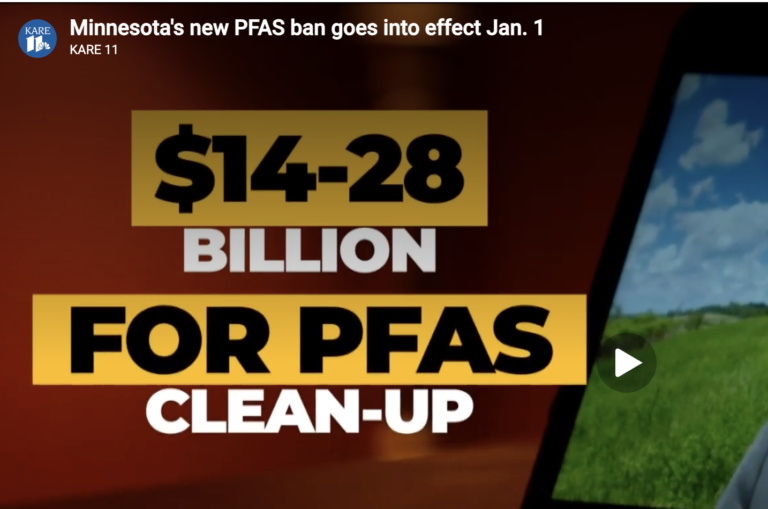
Minnesota’s new PFAS restrictions prohibit the sale or distribution of products containing intentionally added PFAS in 11 product categories beginning January 1, 2025. The law is part of a broader effort to reduce exposure to “forever chemicals” and limit their release into the environment

In April 2024, EPA finalized the first national, legally enforceable drinking-water standards for several PFAS, including PFOA and PFOS. The rule established federal limits and paired the action with funding intended to help public water systems monitor and treat PFAS contamination.