Lake Powell Reaches Critically Low Levels
Declining water levels at Lake Powell are intensifying concerns about the future of Colorado River water supplies and hydropower generation across the Southwest.

Declining water levels at Lake Powell are intensifying concerns about the future of Colorado River water supplies and hydropower generation across the Southwest.

A research-based estimate suggests AI operations may consume enormous amounts of water when both data-center cooling and electricity generation are considered, highlighting the need for better disclosure.

Amazon is funding river restoration work in Australia as part of water-replenishment efforts associated with its data center operations and broader sustainability goals.
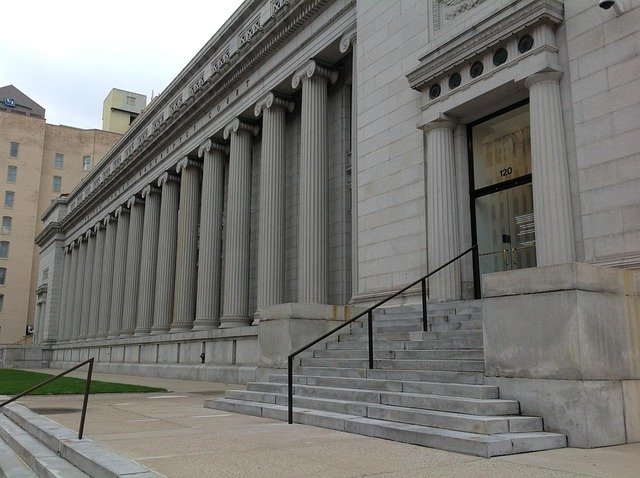
A Texas judge temporarily halted action on a proposed Westlake data center following a challenge from a neighboring homeowners association, reflecting ongoing local disputes over major projects.
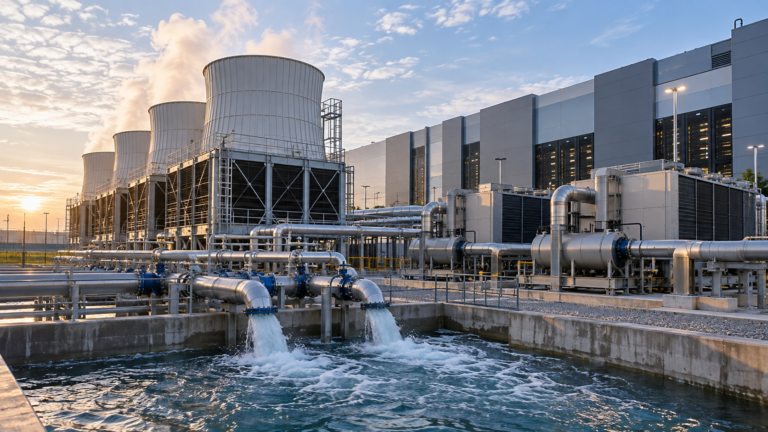
Researchers examine the direct and indirect water demands associated with data centers while highlighting major gaps in company-level water-use disclosure.

A congressional proposal calls for stronger local authority over data center development, including public impact reports, water-use disclosures, community benefit agreements, and protections for residents.

Officials in Piqua, Ohio approved an agreement involving a Meta data center despite public opposition, adding another example of local debate surrounding large AI infrastructure projects.

A video explainer examining direct and indirect water use associated with data centers and the growing demand created by AI infrastructure.
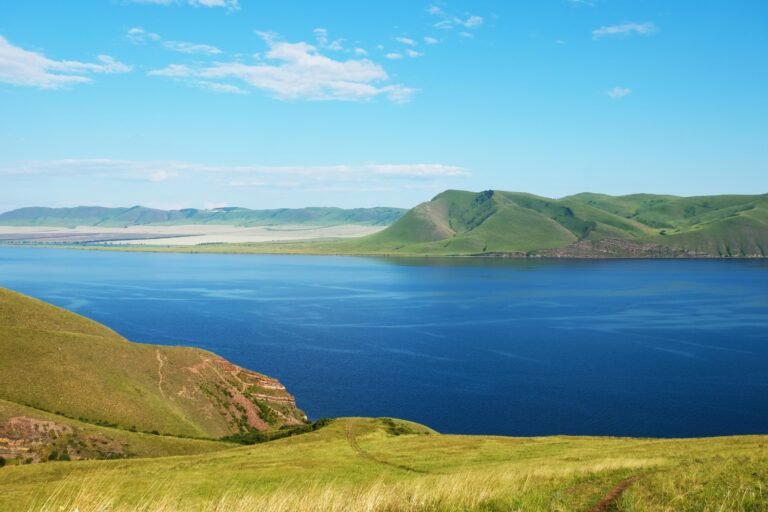
This in-depth article examines the combined land, energy, and water demands of data centers and explains why their effects are highly local and especially important within stressed watersheds.
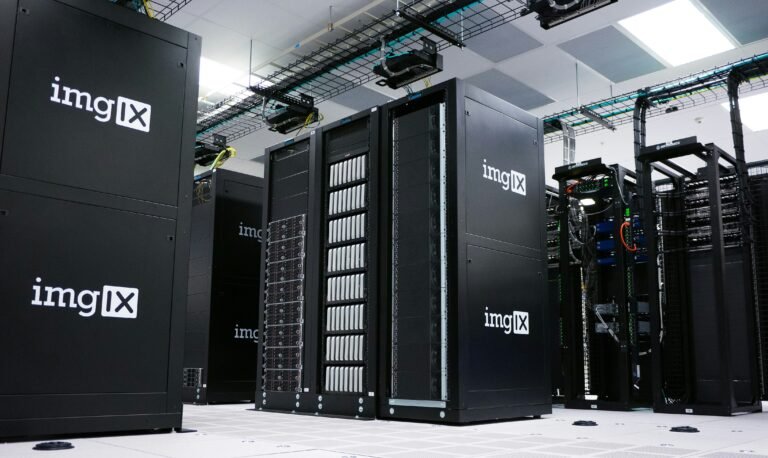
Rapid growth in AI infrastructure is increasing scrutiny of the water required to cool large data centers, particularly where facilities are planned in communities with limited or stressed water resources.